Dr. Cemil Paslı: Değişmeyen Ölüyor!

Kayıt Tarihi: 30.03.2026 21:01 - Son Güncelleme: 18.06.2026 22:37
“Bahar geldiğinde nehirler buzlarını kırar. Önce sessiz bir çatlak duyulur, sonra birdenbire bütün buz tabakası hareket eder ve ağır levhalar birbirine çarparak ilerler...”
Savaş ve Barış’ta Tolstoy yukarıda cümle ile “buz kırılması” metaforunu kişideki ruhsal uyanışı, toplumsal dönüşümü ve doğanın hiç değişmeyen “değişim” döngüsünü anlatmak için kullanır.
“Okuduğunuz bir kitap içinizdeki donmuş değerleri parçalayacak bir balta olmalıdır” cümlesiyle Franz Kafka’da Tolstoy’a destek verir.
"Eski hâl muhal; ya yeni hâl veya izmihlâl..." ifadesiyle Bediüzzaman Said Nursi’de Tolstoy ve Kafka’yı onaylar.
“Allah her gün inovasyon yapan kulunu sever/İnnallahe yuhibbu’l-muhterif” hadis-i şerifi ile Peygamberimiz Hz. Muhammed (s.a.v) “değişim” in değerini vurgular.
“...Şüphesiz ki bir kavim, kendi durumunu değiştirmedikçe; Allah da onların durumunu değiştirmez..." (Rad, 13/11) ayetiyle Yüce Allah;
“değişmeyen kişi ve milletlerin öleceğini” hükme bağlıyor.
“Değişmeyen Ölüyor” tespitimiz maddeden çok mana ile ilgilidir.
Ölümün de ötesine geçen ve kıyamete kadar yaşayacak “canlı işler” bırakmak isteyenlerin hiç bitmeyen bir değişim sürecini yaşamaları gereğine işaret ediyoruz.
İslam’da “sadaka-i cariye” şeklinde geçen kadim değer üretmek için çok çalışmak, her gün çaba göstermek, iyilik ve güzellik kervanın hiç kesilmeyen yolculuğuna sürekli destek vermek gerekiyor.
Ahirete uzanan ve oranın tarlası olan dünya hayatında sürekli kendini yenileyen, tazeleyen, çevreden aldığı katkılarla zenginleşen bir nehir gibi akmalı insan…
Rabbini bir okyanus gibi düşünüp oraya ulaşmanın coşku ve motivasyonu ile şelaleler yapmalıdır.
Sürekli yeni bilgi, dost, tat, renk, zevk tecrübe etmeyen “beyin ölüyor” ve sahibini Alzheimer ve Demans’la başbaşa bırakıyor.
Bu yakıcı gereceği;
Allah sürekli hatırlatıyor ve kıyamete kadar hatırlatmaya devam ediyor:
“Hatırlayın ki, Rabbiniz size şöyle buyurmuştu: “Eğer (başta beyin ve kalp olmak üzere her nimete) şükrederseniz, elbette size olan (nimetimi) artırırım, eğer nankörlük ederseniz (onları fıtratına/yaratılışına uygun kullanmazsanız) hiç şüphesiz azabım (Alzheimer ve Demans) çok şiddetlidir.” (İbrahim, 14/7)
“Değişmeyen Ölüyor” ilkesi yaşayanlara bir ikazdır.
Ölenler için zaten yapılacak bir şey yok.
“Zor olan her gün insan kalmaktır” sözüyle Cengiz Aytmatov insan kalmanın her gün artan bir çaba ve gayretle mümkün olduğunu ifade ediyor.
İnsan aklı ve kalbinin sürekli yapması gereken yolculuğunda en temel ihtiyacı temiz bir bilgidir.
Yaşarken ölmemizi engelleyecek “değişim” sürecinin tam temeline “bilgi süzgeci” formülünü yerleştirdik.
Bilgi süzgeci: 3 Okumak, 2 dinlemek, 1 yazmak, bazen konuşmak, ara sıra paylaşmak şeklinde sürekli bir değişim ve tazelenmeyi içeriyor.
“Değişmeyen Ölüyor” ilkesini güçlendirme çerçevesinde Anadolu irfanının derin temsilcisi Yunus Emre’den bahsetmemiz zaruridir:
“Biz sevdik aşık olduk sevildik maşuk olduk
Her dem yeni dirlikte sizden kim usanası (Yunus Emre)
Bahar geliyor!
Tolstoy’un tasvirinde olduğu gibi herkes eline “bilgi süzgeci” nden geçmiş baltaları alsın içindeki donmuş değerleri, buzdan putları kırsın ve bahar temizliği yapsın.
Eğer biz o donmuş değerleri, buzdan putları kırıp yok etmezsek onlar bizi yaşarken öldürecek unutmayalım.
Haydi!
“Sen değişmezsen, ben değişmesem bu toplum nasıl değişir?” sorumluluk ve bilinci ile değişim ve dönüşüm işine kendimizden, kendi hanemizden, kendi kapımızın önünden başlayalım.
What doesn't change dies!
“When spring comes, the rivers break their ice. First, a silent crack is heard, then suddenly the entire ice sheet moves, and heavy slabs collide with each other as they advance...”
In War and Peace, Tolstoy uses the above sentence as a metaphor for “ice breaking” to describe spiritual awakening in the individual, social transformation, and the unchanging cycle of “change” in nature.
Franz Kafka supports Tolstoy with the sentence, “A book you read should be an axe to shatter the frozen values within you.”
Bediüzzaman Said Nursi also approves of Tolstoy and Kafka with the expression, “The old state is impossible; either a new state or annihilation…”
Our Prophet Muhammad (peace be upon him) emphasizes the value of “change” with the hadith, “Allah loves the servant who innovates every day/Innallahe yuhibbu’l-muhterif”.
"...Indeed, Allah does not change the condition of a people until they change themselves..." (Rad, 13/11).
With this verse, Almighty Allah decrees that "those who do not change, those nations, will perish." Our observation that "those who do not change, die" is more related to meaning than to matter.
We point out that those who wish to leave behind "living works" that transcend death and endure until the Day of Judgment must experience a never-ending process of change.
To produce the ancient value known in Islam as "sadaqa-i jariya" (ongoing charity), one must work hard, strive every day, and continuously support the uninterrupted journey of the caravan of goodness and beauty.
In this worldly life, which extends to the Hereafter and is its field, a person should flow like a river constantly renewing and refreshing itself, enriched by the contributions it receives from its surroundings…
One should think of God as an ocean and create waterfalls with the enthusiasm and motivation to reach it.
A brain that does not constantly experience new information, friends, tastes, colors, and pleasures "dies," leaving its owner to face Alzheimer's and dementia.
This burning truth;
God constantly reminds us and will continue to remind us until the Day of Judgment:
“Remember that your Lord commanded you: ‘If you are grateful (for all blessings, especially the brain and heart), I will surely increase [my blessings] upon you; but if you are ungrateful (and do not use them in accordance with their nature/creation), then surely My punishment (Alzheimer’s and Dementia) will be severe.” (Ibrahim, 14/7)
The principle of “Those who do not change die” is a warning to those who are alive.
There is nothing that can be done for those who have already died.
With the words, “The difficult thing is to remain human every day,” Chingiz Aitmatov expresses that remaining human is possible with an ever-increasing effort and striving every day.
The most fundamental need in the journey that the human mind and heart must constantly undertake is pure knowledge.
We have placed the “knowledge filter” formula at the very foundation of the “change” process that will prevent us from dying while we are alive.
The knowledge filter: It involves continuous change and renewal through 3 readings, 2 listenings, 1 writing, sometimes speaking, and occasionally sharing.
In order to reinforce the principle of "Those who don't change die," it is essential to mention Yunus Emre, a profound representative of Anatolian wisdom:
"We loved, we became lovers, we were loved, we became beloved
Who could ever tire of you in this ever-new life?" (Yunus Emre)
Spring is coming!
As Tolstoy describes, let everyone take up the axes filtered through the "knowledge filter," break the frozen values and ice idols within themselves, and do a spring cleaning.
Let's not forget that if we don't break and destroy those frozen values and ice idols, they will kill us while we are still alive.
Come on!
With the responsibility and awareness of "If you don't change, if I don't change, how can this society change?", let's start the work of change and transformation from ourselves, from our own homes, from our own doorsteps.
YORUM YAP
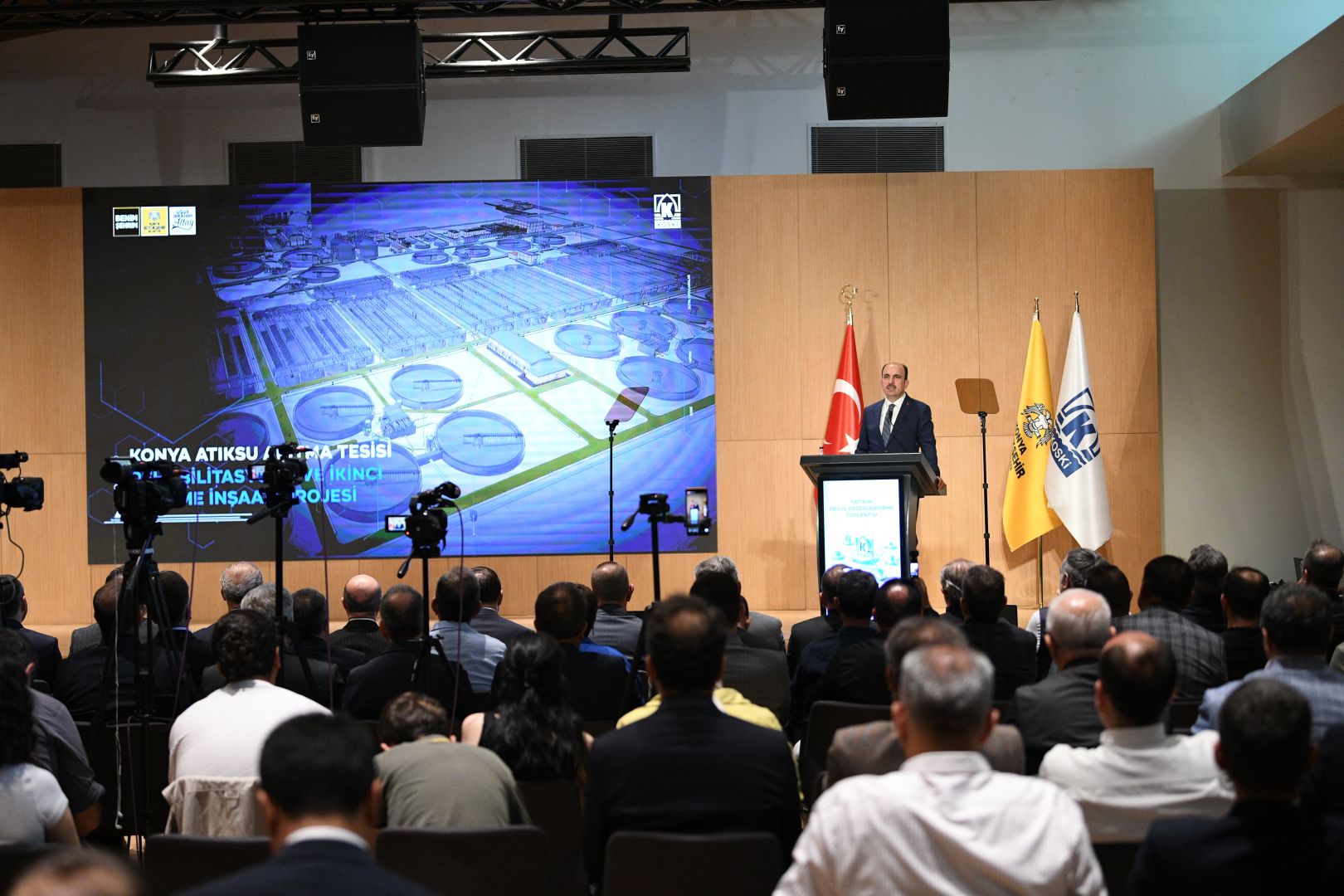
Başkan Altay: “Yer Üstünde Hayata Geçirdiğimiz Büyük Eserler Gibi Yerin Altına da Konya Modeli Belediyecilik Mührünü Vuruyoruz”


Konya'da Çocuğa şiddet cezasız kalmadı! Çocuğu acımasızca döven din görevlisi tutuklandı!

Acımasız anne bebeğini çöpe attı: Adalet geç de olsa yerini buldu!
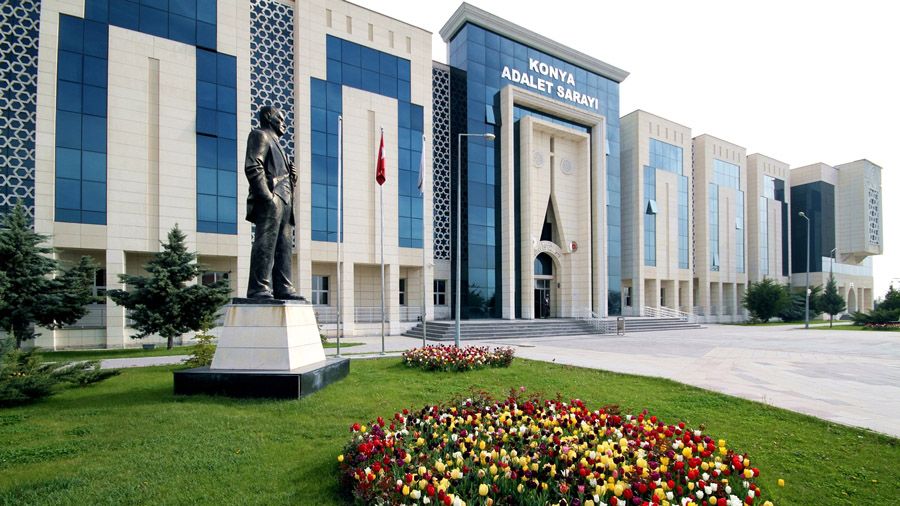
İşte Konya'ya atanan hakim ve savcılar listesi

Eyüp Can Güner dosyasında yeni tartışma: İkinci ATK raporuna sert tepki
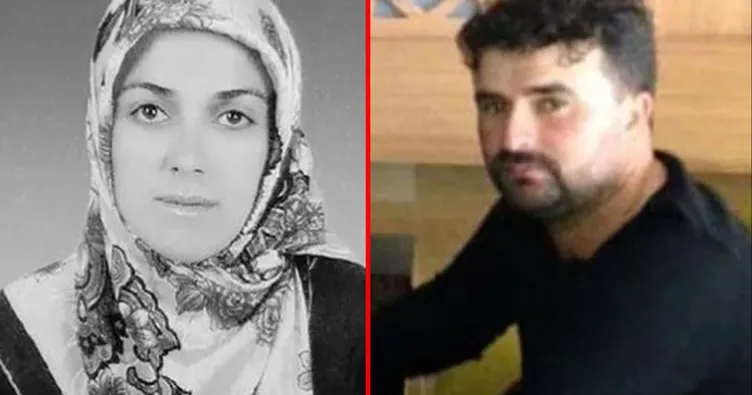
Yer Konya... DNA testi araştırıp 6 aylık hamile eşini katletmişti! Yargıtay ‘iyi hal’ kararını bozdu

Konya'da komşusunu bıçaklayarak katletti! Cinayetin nedeni pes dedirtti